Beyond the Conference: Reflections on International Collaboration as an Early Career Researcher
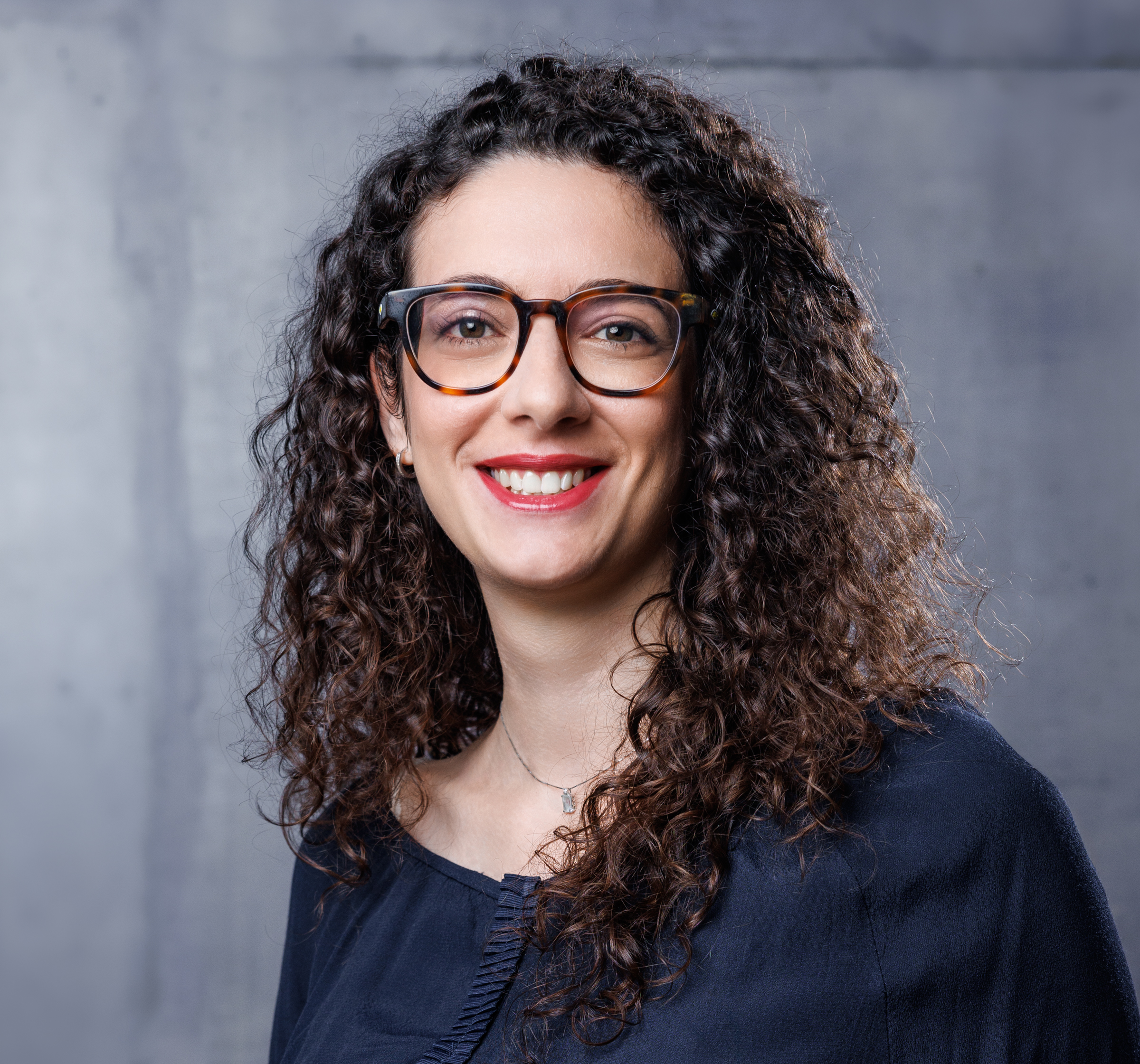
by Dr. Erica Terese Krueger, Trinity College Dublin
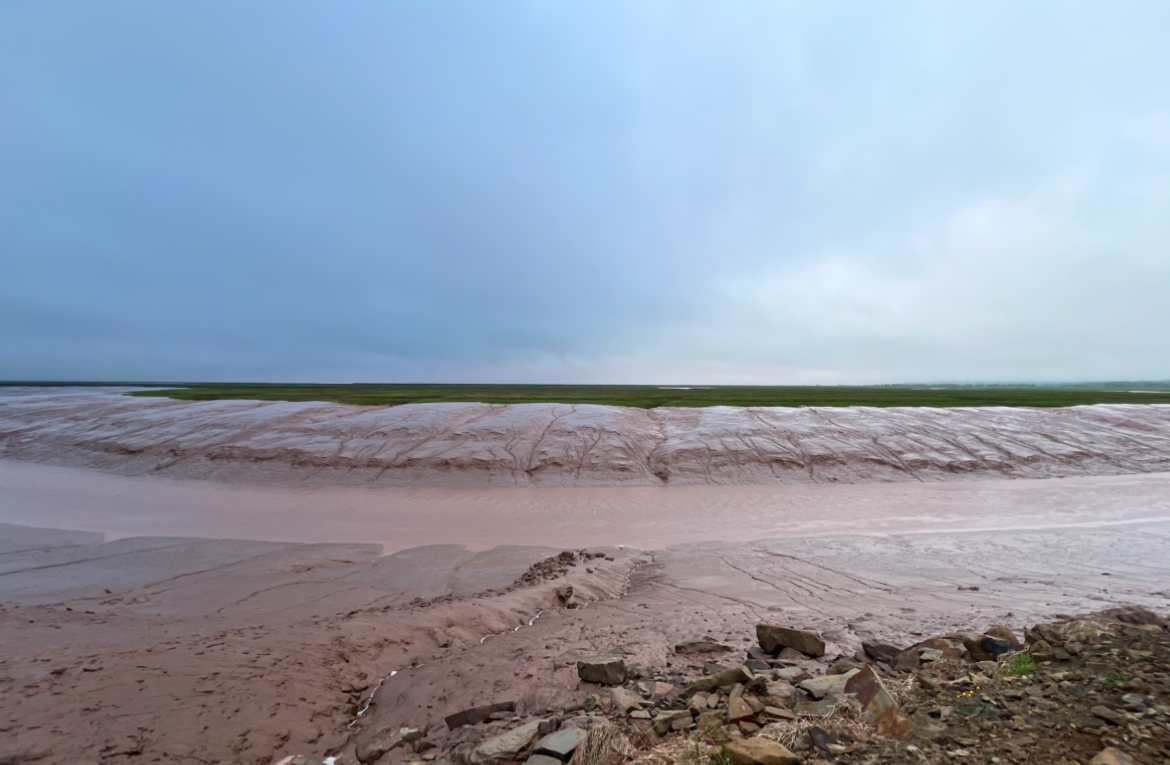
Standing along the banks of the Bay of Fundy, I couldn’t help but compare it to the coastlines I know best around Dublin Bay. At home, I spend much of my time thinking about our small salt marshes, sheltered estuaries, and the ways tides shape our coastal landscapes. But there across the pond, everything felt bigger. The tidal range stretched for kms, vast channels carved through the mudflats, and the sheer force of the water was impossible to ignore. It was a landscape that constantly reminded you of its power, its ability to move enormous volumes of sediment, reshape coastlines, and transform almost any environment it encountered. It was one of those moments that makes you realise that no amount of reading papers or analysing maps can fully replace standing on the edge of the landscape itself.
As an early career researcher, those moments have become some of the most valuable parts of my journey. Before starting my PhD, I imagined research as a solitary pursuit, with hours spent reading papers, analysing data, and writing my thesis. While those things are certainly part of the job, I came to realise that research is just as much about people as it is about places. The conversations, collaborations, and shared experiences that happen beyond your own university often shape your thinking in ways you never expected.
Now I’m just over two years into my postdoc fellowship, and travelling to Canada through
REWRITE provided exactly that opportunity. Prior to the 4th Nature-Based Solutions for Coastal Resilience Conference in
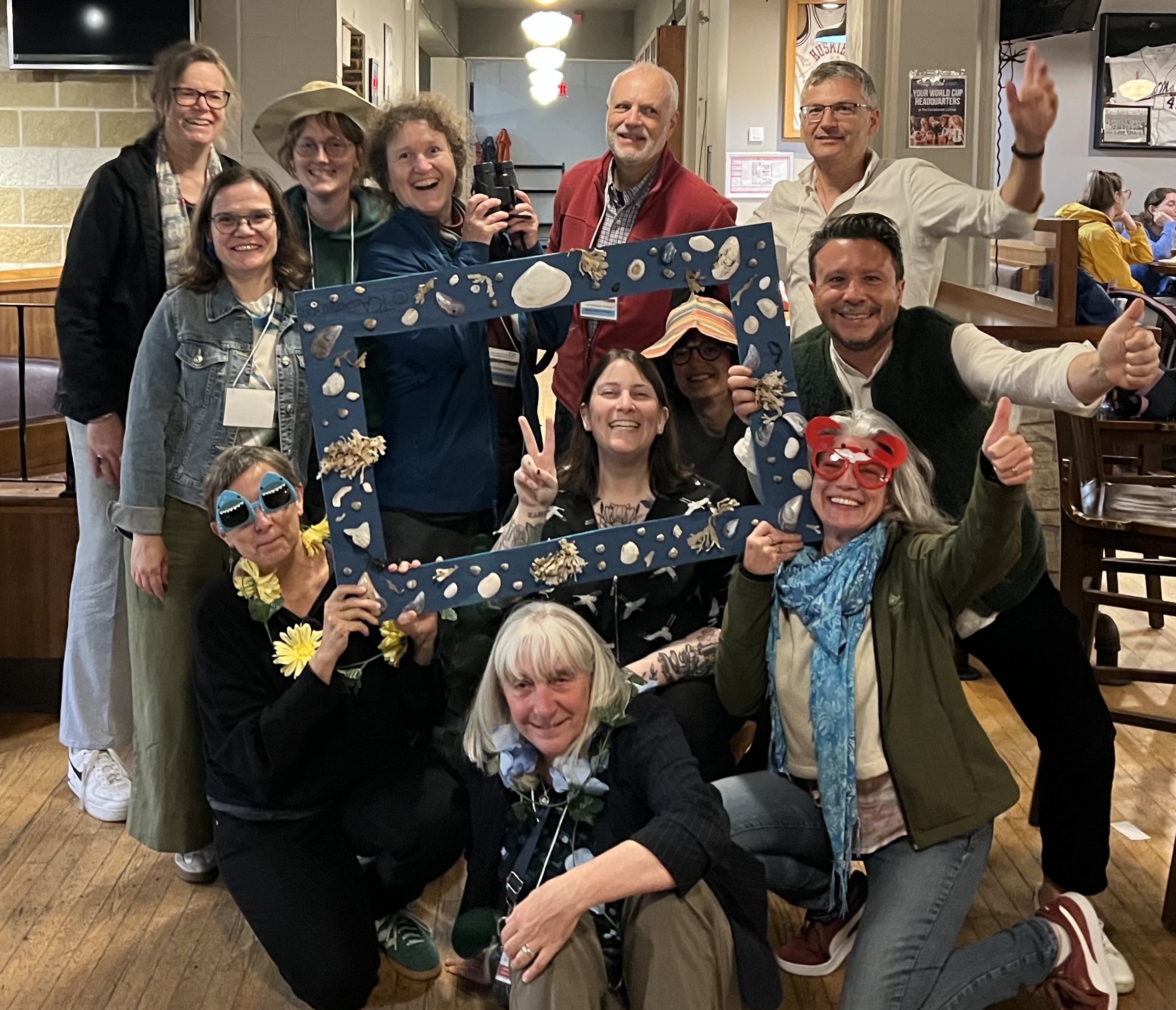
Halifax, our cohort spent a few days at the Beaubassin Research Station in New Brunswick. We visited restored wetlands,
historic marshlands, dykelands, coastal communities, and sites where centuries of human history have shaped (and have
been shaped by) the surrounding landscape. What surprised me the most wasn’t simply how different these places were
from Ireland’s coast, but how familiar many of the questions felt. How do communities live with changing coastlines?
How do we restore ecosystems whilst respecting their history? How do we balance engineering, ecology, and heritage?
Although the scale was dramatically different, the underlying challenges were remarkably similar.
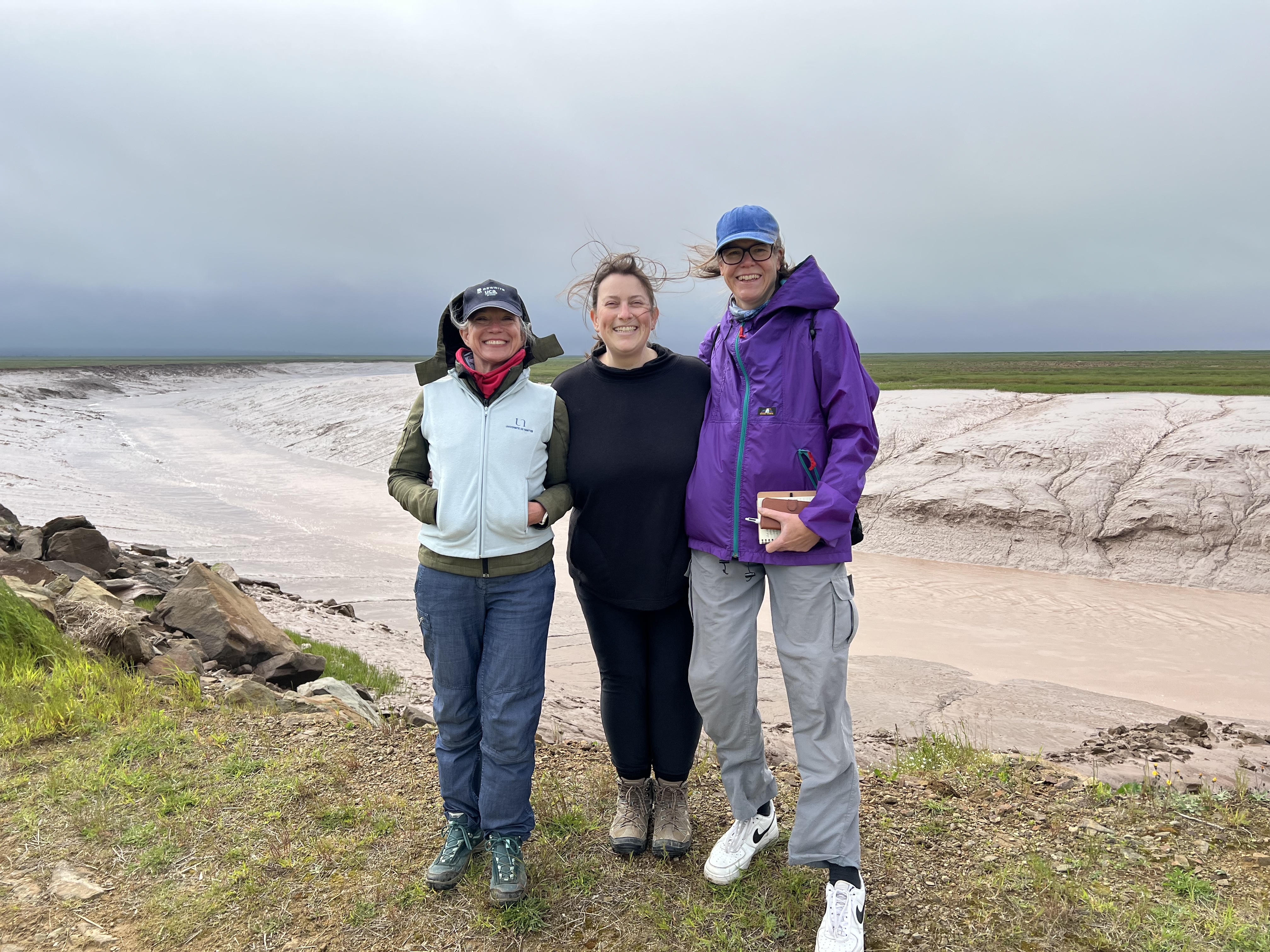
Those field trips became some of the most memorable parts of the trip. Every stop sparked discussions between researchers from different countries and disciplines, each bringing a slightly different perspective. Those conversations continued over dinners, during drives between sites, and whilst comparing our own research experiences. Looking back, the informal moments of sharing stories, asking questions, and laughing together were just as valuable as any formal meeting or presentation.
A few days later, the conference reinforced those feelings. Presenting our poster on Booterstown spit allowed me to discuss different coastal processes with researchers from Atlantic Canada. What I enjoyed most wasn’t simply presenting the research, but hearing the questions people asked. Those questions often challenged assumptions I’d never realised I was making, and encouraged me to think differently about coastal resilience, restoration, and the role that natural processes play in shaping our environments. A resounding idea stayed with me throughout the week – nature is often far more resilient than we give it credit for. Standing on the shores of the Bay of Fundy, watching the world’s highest tidal range continue to reshape the coastline, that idea felt tangible. Nature has been adapting since long before we arrived. Our role isn’t always to control these systems, but to understand them well enough to know when stepping back can be the most effective form of restoration.
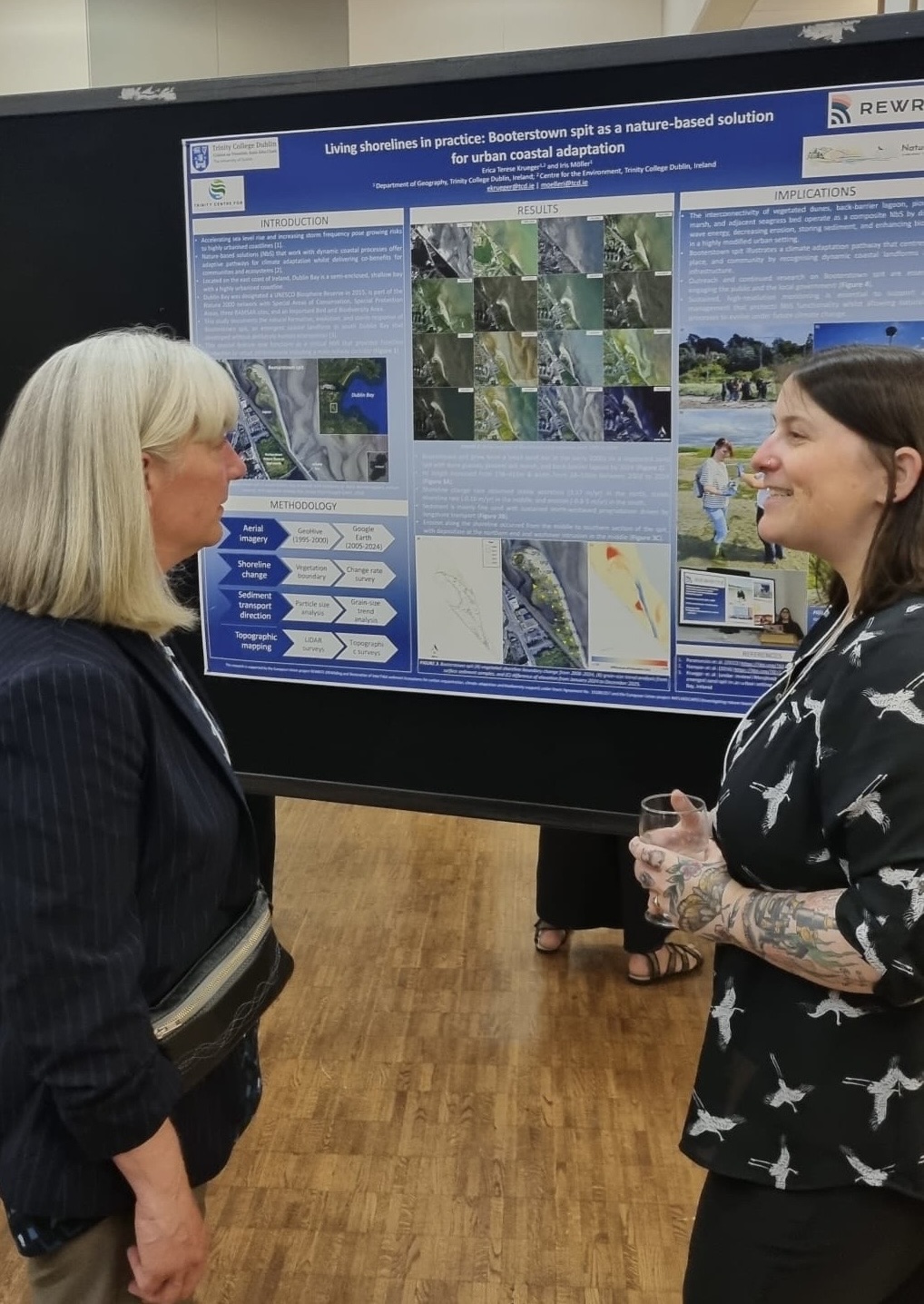
The keynote speakers throughout the conference echoed that message in different ways. Dr. Anne Salomon’s work with Indigenous communities highlighted the importance of recognising multiple ways of knowing and working collaboratively to care for coastal environments. Speaking with her afterwards about my previous research on Calusa oyster middens reminded me how closely cultural heritage and environmental knowledge are connected, regardless of your location. Similarly, Prof. Iris Möller’s closing keynote emphasised how much our understanding of coastal systems has advanced, whilst reminding us that our research is strongest when it is co-produced with the communities who know these places best. That message resonated with me as it reflects the kind of researcher I strive to be, someone who values listening, learning, and collaboration as much as scientific discovery.
As early career researchers, it’s easy to become fixated on the milestones – publishing papers, meeting deadlines, presenting at conferences, and building a competitive CV. But experiences like this have reminded me that the most important parts of a research career can’t always be measured. They are the conversations that continue long after the conference ends. The perspectives gained by standing in landscapes you’ve only ever seen in photographs. The friendships formed over pints after long days of fieldwork. The confidence that comes from realising your research is part of a much bigger conversation. Looking back, I don’t just remember presenting my work or attending conference sessions. I remember walking up the dirt road to the salt marsh along the Cumberland Basin and being in awe of the sheer size of the landscape that was in front of me, the landscape that was so different from our marshes of Dublin Bay, and the realisation that despite the thousands of km between them, they are connected by many of the same questions. That, to me, is the real value of international collaboration. It doesn’t simply broaden your network, it broadens the way you see your own research, your own landscape, and your own place within the wider research community.