Co-visioning rewilded coasts
by Umberto Pernice
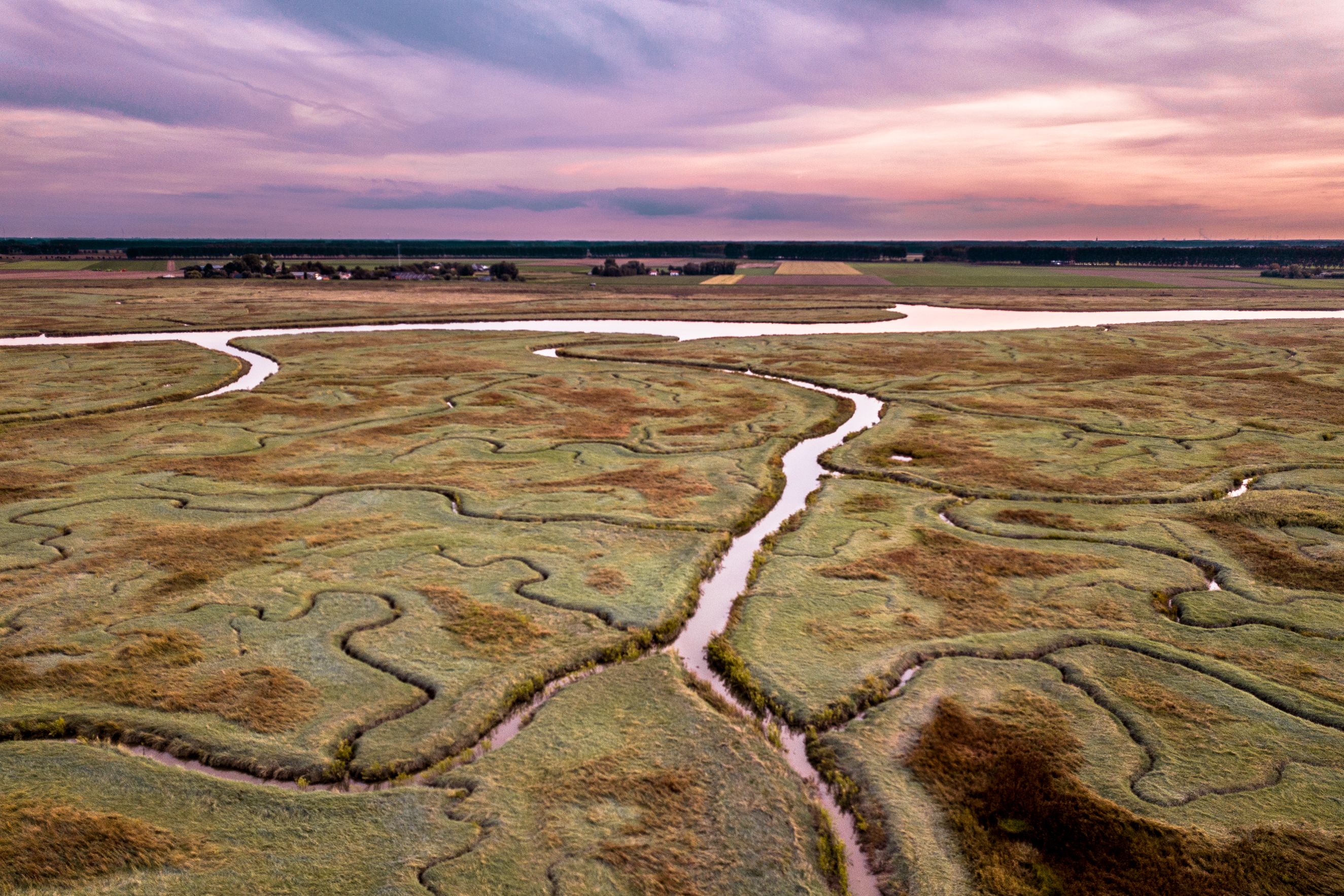
Coastal rewilding is gaining attention as a nature-based solution to tackle biodiversity loss and climate change. Its goal is to restore damaged coastal ecosystems and support healthier, more resilient seascapes with limited human intervention.
But rewilding is not only about nature. It also involves local communities, economic activities, governance systems, and different needs and perspectives about how coastal areas should develop in the future. For this reason, collaboration between scientists, policy-makers, local actors, and communities is essential.
The REWRITE project is working on this challenge by developing a collaborative framework for coastal rewilding across European and North American intertidal soft-sediment seascapes. Stakeholders are actively involved in shaping future rewilding pathways together.
On 29 October 2025, REWRITE organized the first Global Multi-Actor Laboratory (G-MAL) workshop at ECOMARE, the marine innovation and sustainability laboratory of the University of Aveiro, Portugal. The workshop brought together 15 stakeholders from organizations across Europe and Canada, including universities, NGOs, restoration experts, and policy institutions. Stakeholders represented organizations included: Aage V. Jensen Naturfond; International Union for Conservation of Nature (IUCN); Bio-Littoral; University of Cambridge; Community of Aveiro Region; RESTOR; Dalhousie University; University of Cologne; Rewilding Europe; Ireland Office of Public Works; CIMAR/University of Porto; Society of Ecological Restoration (SER); Ulster Wildlife.
Using a three-step back-casting approach, participants worked together to imagine possible futures for European coastal rewilding by 2050. Working in groups, stakeholders created four alternative future visions for coastal areas, identified the main drivers of change, and discussed the first steps needed to reach them. Different dimensions of coastal rewilding were explored, including: (i) habitat protection and restoration; (ii) climate and biodiversity objectives; (iii) participatory and adaptive governance; (iv) socio-economic activities; and (v) cultural heritage, identity, and sense of place.
Despite differences in institutional backgrounds and geographical contexts, all four visions converged on a shared aspiration: the development of ecologically functional, socially valued, and climate-resilient coastal systems supported by thriving biodiversity and healthy marine ecosystems. A recurrent theme across the visions was the recognition that effective coastal rewilding depends on the active engagement of local communities and stakeholders. Consequently, governance was consistently framed as participatory, collaborative, and adaptive, rather than relying exclusively on top-down decision-making processes.
Notably, the four visions exhibited a high degree of convergence, with relatively limited divergence in their underlying priorities and objectives. All promoted a holistic and integrated approach to coastal management, seeking to balance ecological integrity, social well-being, and economic sustainability over the long term. This convergence reflects a shared understanding among stakeholders of the need to address coastal challenges through systemic, cross-sectoral, and place-based approaches, despite the diversity of institutional settings and regional contexts represented in the exercise.
At the same time, participants identified several challenges and trade-offs. Ecological restoration may sometimes conflict with local economic interests or activities such as fishing, tourism, and coastal development. Top-down policies can also clash with local needs and expectations. Participants highlighted the importance of ensuring that all social groups are represented and that local knowledge is valued alongside scientific expertise.
The workshop also highlighted the importance of clear, accessible, and inclusive communication in building public understanding and long-term support for coastal rewilding. Participants stressed that scientific knowledge alone is not enough to engage communities and stakeholders effectively. Communicating complex environmental challenges and restoration goals in ways that are transparent, relatable, and meaningful for different audiences is essential to encourage participation, trust, and shared ownership of rewilding processes.
The results of this first G-MAL workshop will feed into the next meeting, planned for October 2026, where stakeholders will co-design policy measures and practical pathways to support coastal rewilding. A final phase will then evaluate how feasible and effective these proposed policies could be.
In parallel, REWRITE organizes Local Multi-Actor Laboratories (L-MALs) that involve local stakeholders across different coastal areas. By connecting global visions with local knowledge and experiences, the project aims to develop more inclusive and practical pathways for coastal rewilding and sustainable coastal management.
The tide is turning for coastal rewilding, and this is just the beginning.