Rewriting the coast: Narratives of change in Europe’s intertidal landscapes
by Werner Krauß, University of Bremen
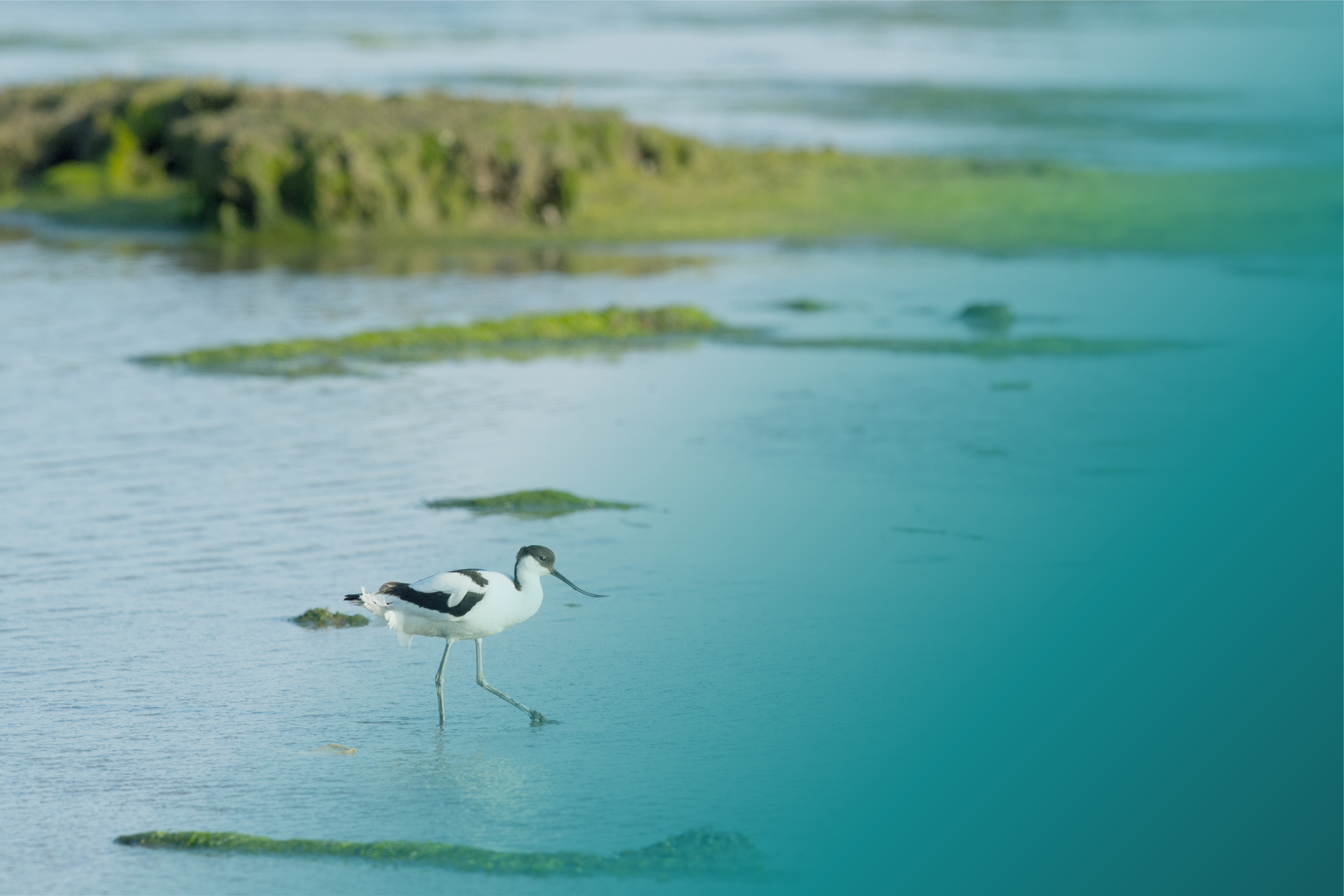
Intertidal mudflats are in permanent movement. They are shaped by weather, tides, sediments, currents, micro-organisms and, of course, by humans. Volatility is their nature; they do not tend towards stability or homeostasis. Across Europe, they are increasingly valued for their role in biodiversity support, climate adaptation and carbon storage. They are also among the most heavily transformed coastal environments. Centuries of diking, drainage, land reclamation, port construction and industrial development have reshaped these coastlines into highly entangled socio-natural landscapes. They are rife with history, layer upon layer buried in the sediments, carrying traces of the past, present, and the future.
Geomorphologists who dig into the ground and read old maps uncover histories that are literally layered one above another. They trace centuries of land reclamation, interrupted by ferocious storm floods that destroyed what had just been gained. Phoenicians, Romans, monastic orders, local rulers, foreign investors and modern states, they all tried to reclaim land, build ports, and extend their influence and power. The port of Dublin, the estuaries of Essex, the peninsula of Cádiz, or the lagoons of Aveiro all bear witness to these histories of expansion, trade, and nation-building.
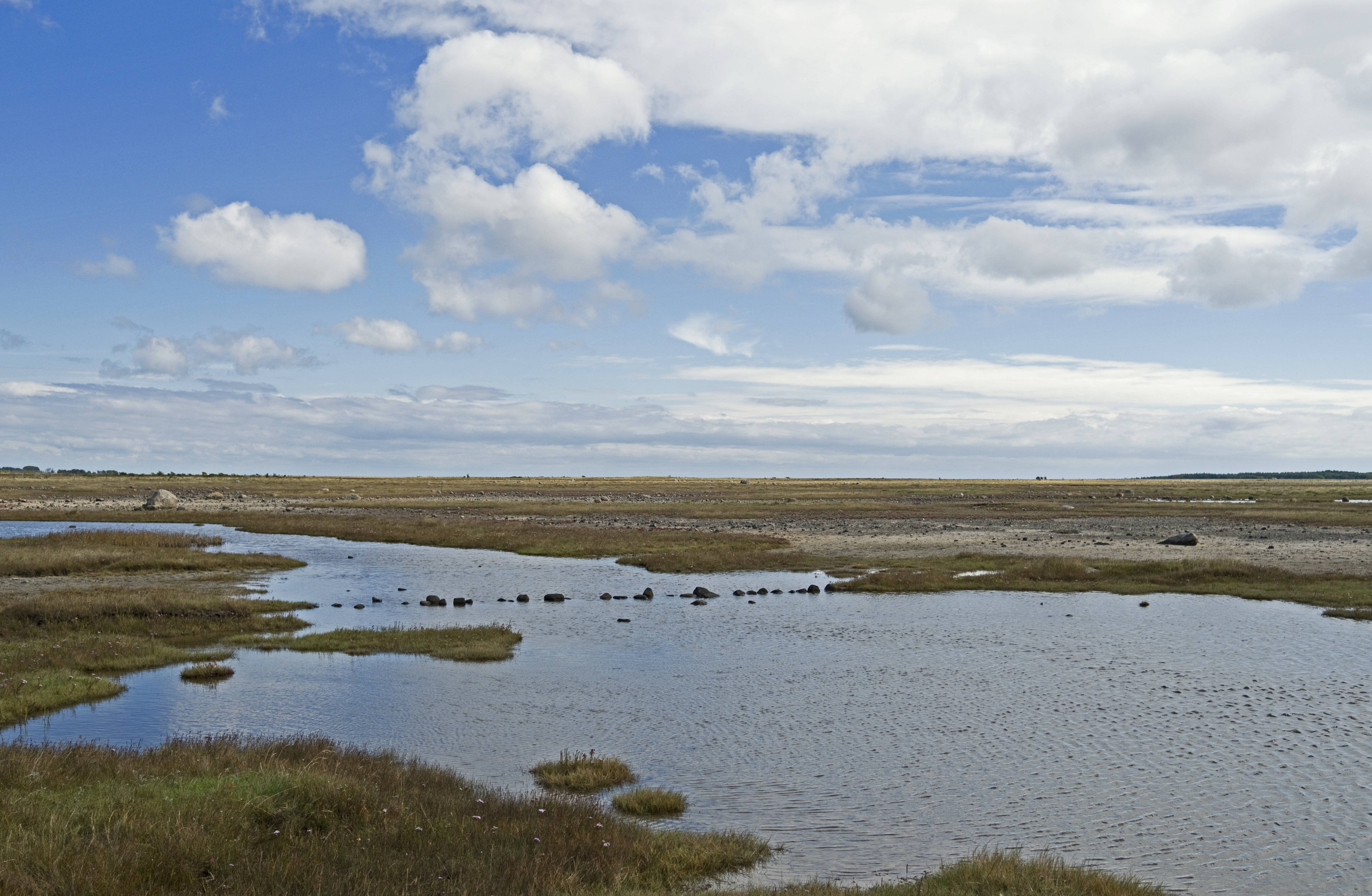
These histories are written in the sediments. On intertidal mudflats, we can clearly identify when the long age of land reclamation often stopped abruptly and when nature conservation and restoration emerged. The coastal landscape itself becomes an archive of environmental and political change. Adaptation to climate change, restoring biodiversity and promoting blue carbon are scenarios built on these pasts.
But there is never one coastal landscape. People who inhabit, administer and shape these areas tell their own versions. They differ according to position, profession and experience, and their stories are shaped by the dynamics of the landscape, too. In old coastal villages, we see how the authorities and the rich landowners lived on mounds, while the water workers dwelt in small huts at sea level or below, each one telling a different story. While the tourists admire the scenic beauty of the marshlands, the farmer might watch closely the patterns of ownership and dike maintenance. Fishers navigate shifting sandbanks with practical knowledge, while others gather seafood from the mud between the tides. Some organize collectively around salt pans with long histories, while others value these same areas for their bird life. Their stories, too, are sedimented in the landscape.
For coastal administrators, the coast is something to be managed, protected, and contained, based on technical knowledge and practical experience. They draw lines, build dikes and defend against the tides, erosion and storms, with the help of science, engineers and politics. Conservationists often tell another story. They see the mudflats as dynamic ecosystems that should remain as undisturbed as possible. And there are those working within the REWRITE project, who argue for allowing more space for natural processes – sometimes even breaching dikes – in the name of resilience, biodiversity and blue carbon. Rewilding, in this context, does not mean returning to a pristine past. It means rewriting the ecological, geomorphological and political dynamics of coastal systems in order to create new trajectories for climate adaptation and biodiversity support.
At the same time, these landscapes remain home to many people, whose accounts are often less about ecology than about community, memory and everyday life. Asked about coastal change, they speak about neighbors, tourism, catastrophes, local conflicts, memories of the past, or the feeling that their way of life itself has become a form of heritage.
How do we deal with this plurality of perspectives? How can we describe and analyze landscapes that are both physically layered and filled with sometimes contradictory interpretations?
In these volatile landscapes, we often find points of contention, specific places or events that people refer to when they tell their stories. Dikes play a prominent role in shaping the environment, they anchor specific events in time and space. The same is true for the implementation of a National Park, of Natura 2000 regulations or other events that changed the sensitive balance of life in a volatile landscape. In literary theory, we call these specific markers “chronotopes”. They materialize the stories, and they add blood and flesh to the bones of scientific or administrative logic and expertise.
Within REWRITE, these questions are explored through “narratives of change”: the stories through which different actors make sense of environmental transformation. Narratives are not simply opinions about the coast. They shape how we understand heritage, wilderness, restoration and the future of coastal landscapes; they are not simply perspectives on landscapes, but part of the processes that shape them. They influence how change is negotiated, accepted or resisted.
Coastal landscapes are shaped not only by tides and sediments, but also by the narratives that give them meaning. It is in this interplay that their pasts are remembered and their futures take form.