Weathering the storm: Winter sampling in Cádiz
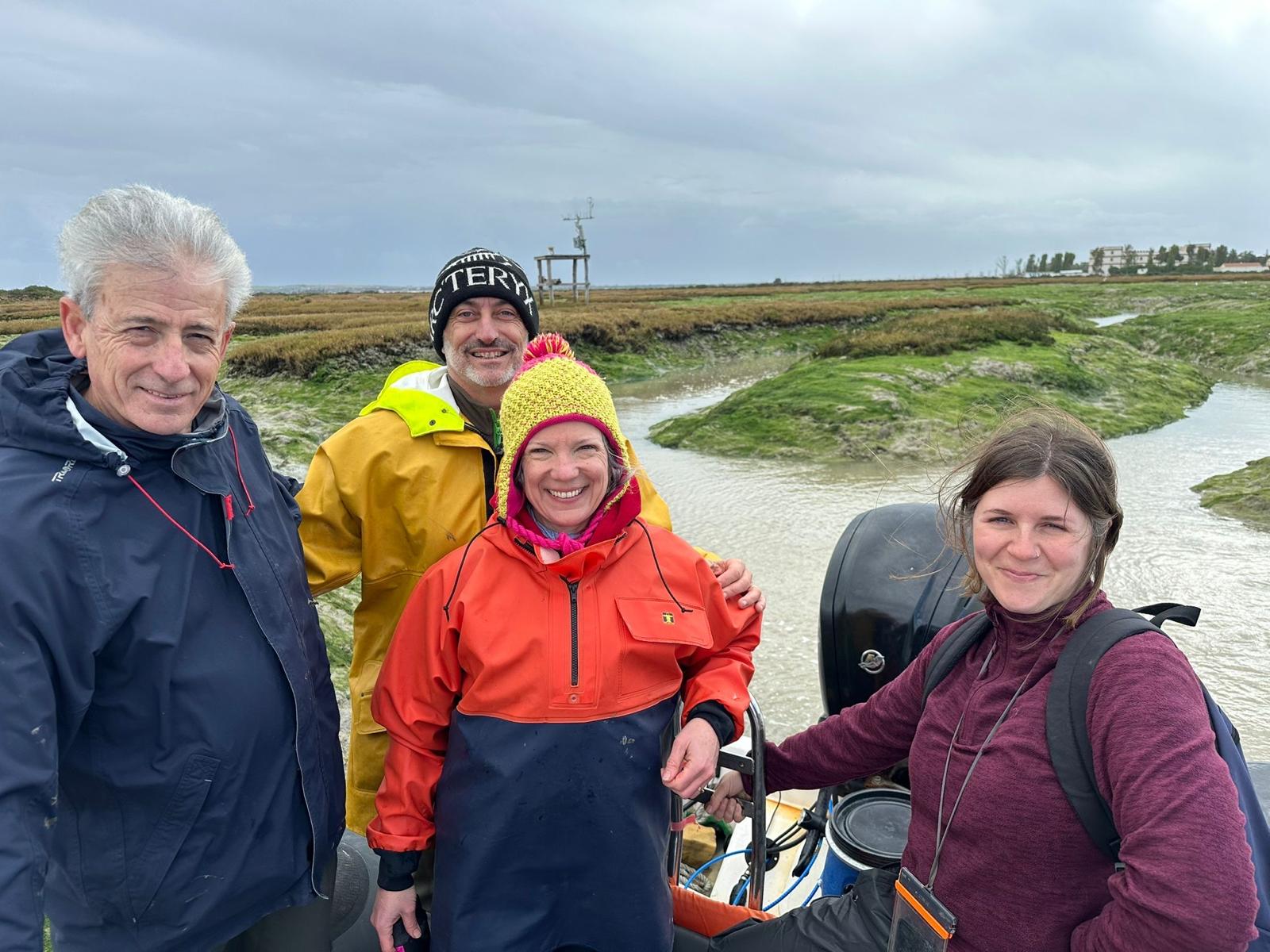
Winter fieldwork rarely goes exactly to plan. Our campaign in Cádiz was no exception. Storm Leonardo forced us to cancel the initial field trip, a frustrating but familiar reality when working in dynamic coastal environments.
Still, flexibility is part of the job. When a short weather window opened, the team headed out to collect sediment samples from two contrasting sites: the natural mudflat of Isla Verde and the rewilded site of Gertrudis. At Gertrudis, an eddy-covariance tower has been operating since December to continuously measure CO₂ fluxes, helping us better understand how restored mudflats function as carbon sinks. The platform standing behind the team in the photos is part of this monitoring setup.
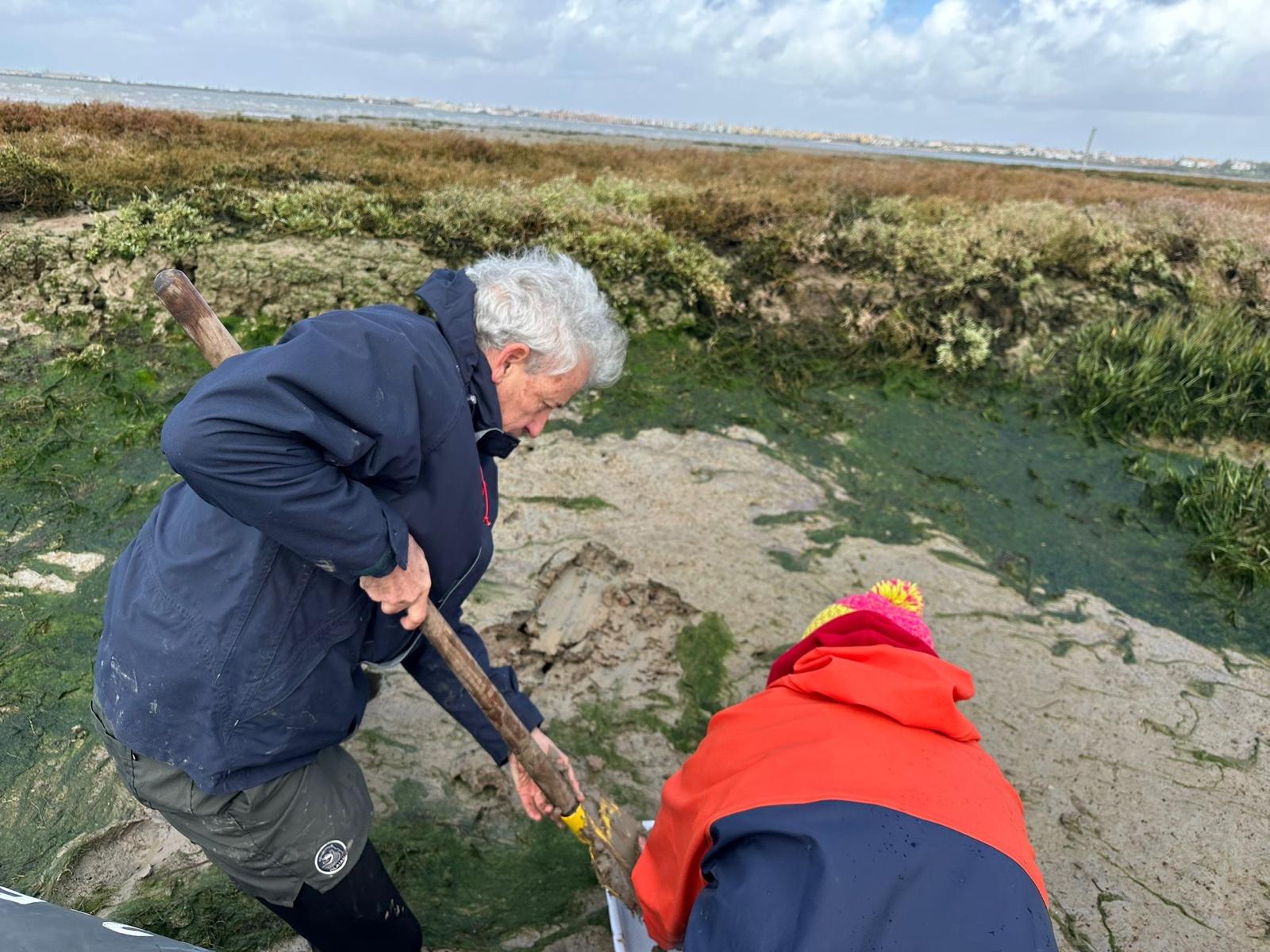
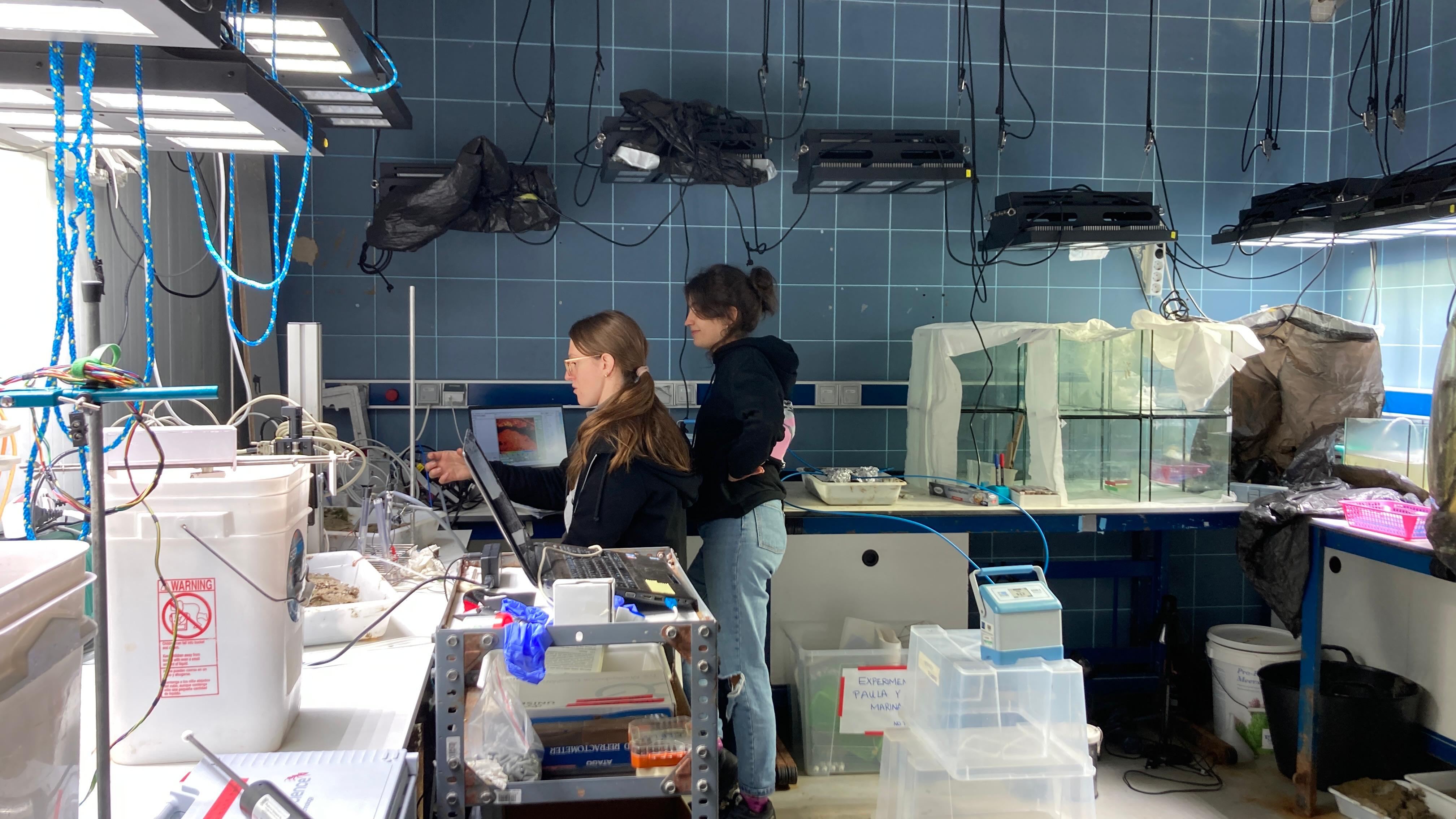
Back in the lab, the campaign continued under controlled conditions. We carried out experiments to estimate CO₂ fluxes using mini chambers under two light intensities, low and high, both representative of winter conditions. These measurements allow us to simulate how microphytobenthic communities respond to seasonal light variability.
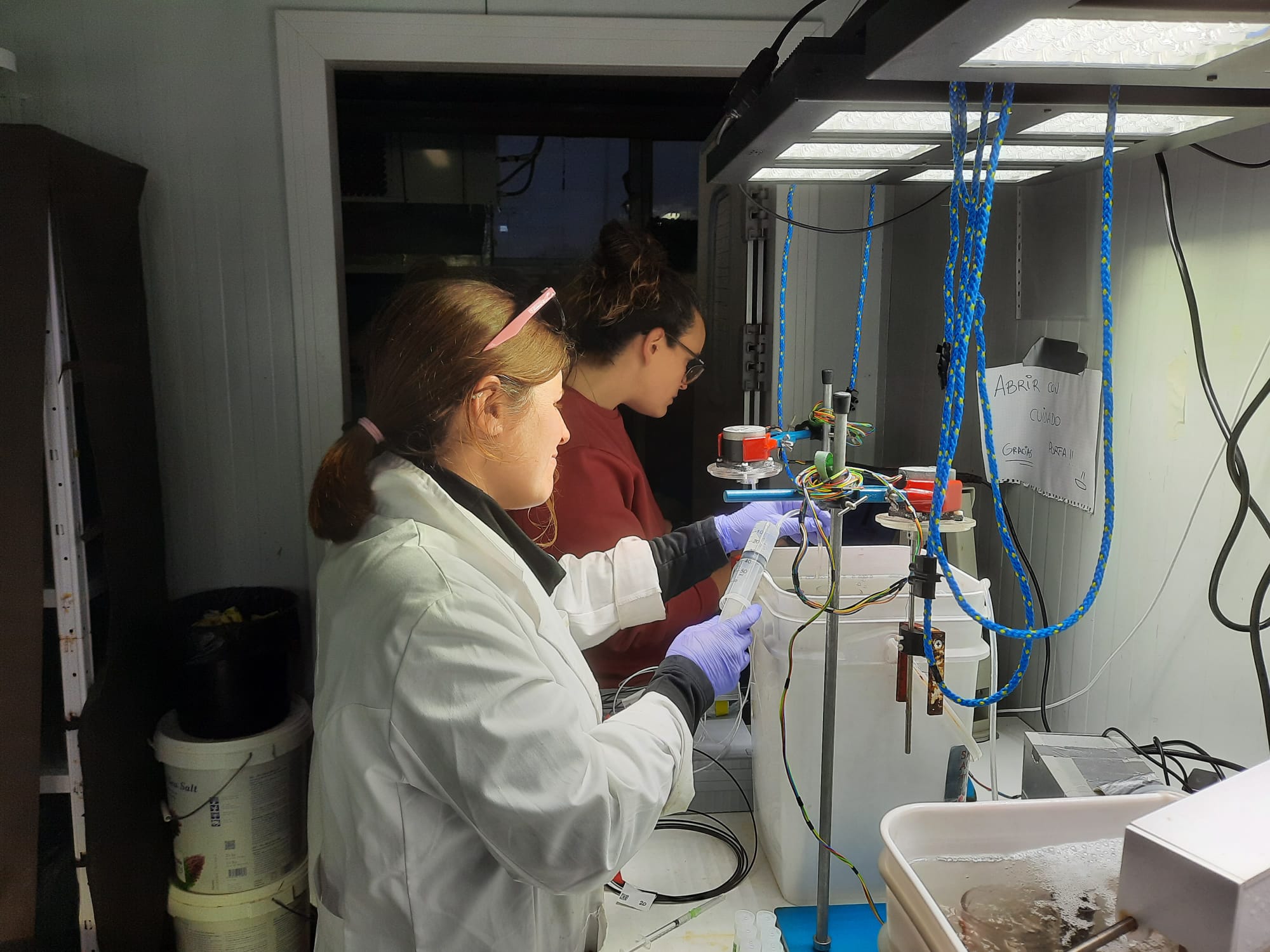
We also measured oxygen profiles using micro-sensors, a method that cannot be applied in the field but provides high-resolution insights into sediment processes. To assess photosynthetic performance, we used PAM fluorimetry to determine the efficiency of benthic microalgae in driving primary production in these systems.
Finally, hyperspectral imaging was used to capture detailed spectral signatures of the sediment surface. These data are essential for upscaling flux measurements from small experimental areas to the scale of entire mudflats using remote sensing approaches.
Even when storms disrupt field plans, the science moves forward. By combining field sampling, laboratory experiments and advanced imaging techniques, the Cádiz winter campaign strengthens our understanding of how natural and restored mudflats contribute to carbon cycling, and how we can better monitor and enhance these ecosystem services.